
Coconut oil has been integral to Indian culture and Ayurvedic medicine for centuries. Its origin in India traces back to ancient times, with references found in Ayurvedic texts dating back to around 5000 BC. In these texts, virgin coconut oil is described as having various medicinal properties and is utilised in treatments for skin ailments, inflammation, oral care, and even cancer.
Over the years, cold pressed coconut oil has become deeply embedded in daily life, valued not only for its health benefits but also for its cosmetic and culinary applications. It enhances dishes with its distinct flavour and high smoke point, which is why cooking in coconut oil remains common in many Indian households.
Beyond the kitchen, it's cherished for its cosmetic properties, moisturising skin and hair naturally. Its adaptability across culinary, cosmetic, medicinal, and industrial realms highlights its exceptional versatility, especially when sourced as a high-quality cold pressed oil.
Here are 20 ways to use cold pressed virgin coconut oil, along with its nutritional value.
Why is Cold Pressed Virgin Coconut Oil Better?

Looking for coconut oil to include in your daily routine can be quite confusing, with many types of coconut oils being available in the market. For example, virgin coconut oil and extra virgin coconut oil are not the same. And your favourite champion, coconut oil, you have been using since you were a child, is completely different. In reality, different coconut oils exist, and they can be,
- Virgin Coconut Oil
- Extra Virgin Coconut Oil
- Refined coconut oil
- Fractionated
- Hydrogenated coconut oil
The aforementioned coconut oils are, in fact, different and they differ in terms of overall characteristics, quality of the oil, flavour, nutritional content, and are suited for different applications. Read more on what makes each of these coconut oils different.
So, why is virgin coconut oil better? Virgin coconut oil, also referred to as raw, unrefined, or cold pressed coconut oil, is best both in terms of quality and affordability.
I. Extraction Method: Cold pressed virgin coconut oil is extracted from fresh coconut meat through mechanical pressing in a traditional wooden or stone-press chekku/ghani without the use of toxic heat or chemical solvents. The wooden press is rotated at low rpm without any application of additional heat. After extraction, it naturally settles for a few days before filtration and packaging in glass bottles, preserving the natural aroma and freshness of a true cold pressed oil.
II. Single Press: Its 'virgin' status stems from the oil being ‘single-pressed’, (without the coconut oil being pressed a multitude of times), ensuring superior quality often graded as "Grade A" oil.
III. Nutrient-dense: Minimal heat application retains its original flavour, aroma. The cold pressed coconut oil extraction eliminates processes like solvent and refining, bleaching, and deodorizing thereby keeping intact the original nutritional richness, including medium-chain fatty acids, phytonutrients, and antioxidants.
IV. Affordability: It is much more affordable than extra-virgin coconut oil whilst being similar in terms of nutritional content.
If this helped, read Cold pressed oils vs refined oils fora more detailed explanation.
Cold Pressed Virgin Coconut Oil Nutritional Facts

- Saturated Fats: 90.5%
- Monounsaturated Fats: 7.5%
- Polyunsaturated Fats: 2%
- Trans Fatty Acids: 0
- Cholesterol: 0
- Vitamin E, A, K, D
- Phytosterols such as β-Sitosterol, Δ-5-avenasterol and campesterol
Cold Pressed Virgin Coconut Oil is almost 99.97% fatty acids, of which it contains the highest amount of saturated fatty acids at 90%. Most of the saturated fats in raw coconut oil are MCTs (medium-chain fatty acids), such as lauric acid (nearly 45-50%). This composition contributes to the natural shelf stability of the coconut oil and makes it suitable for cooking.
Other saturated fats include skin-beneficial myristic acid and palmitic acid; antioxidant-boosting caprylic acid and antimicrobial capric acid. It is also packed with healthy monounsaturated fats MUFA 7.5% (mostly oleic acid - omega 9) and small amounts of polyunsaturated fats 2% (mostly linoleic acid - omega 6). Besides fatty acids, raw coconut oil also contains crucial vitamins. Vitamin E is the most abundant vitamin found in the oil, while vitamins A, D and K are in trace amounts.
The unique composition of good-quality saturated fats makes virgin coconut oil appear clear white (unlike hot-pressed coconut oil, which can appear pale white or yellow), and it has a sweeter taste. The presence of a large number of saturated fats is also the reason for a good quality coconut oil to freeze into a solid state when refrigerated, unlike other blended refined coconut oils or adulterated ones.
20 Ways to Use Cold Pressed Virgin Coconut Oil
1. Virgin Coconut Oil for Cooking

Cold pressed coconut oil has a gentle aroma and pleasant taste and is widely used as a cooking oil in Asian countries. It contains 91% saturated fatty acids, making the oil highly heat-stable, meaning the oil does not break down to harmful byproducts when heated over a period of time. This allows the oil to retain its original characteristics and offers a safe medium to cook, sauté, and even deep fry your dishes.
One study found that coconut oil demonstrated high oxidative stability and produced the least amount of polar compounds at the end of the induction time, outperforming even extra-virgin olive oil (1). This could be due to the presence of natural antioxidants in raw coconut oil. The highly resistant nature of this oil to oxidative rancidity is attributed to its high concentration of saturated fat and low unsaturated fatty acids (PUFA), making cooking in coconut oil a stable choice.
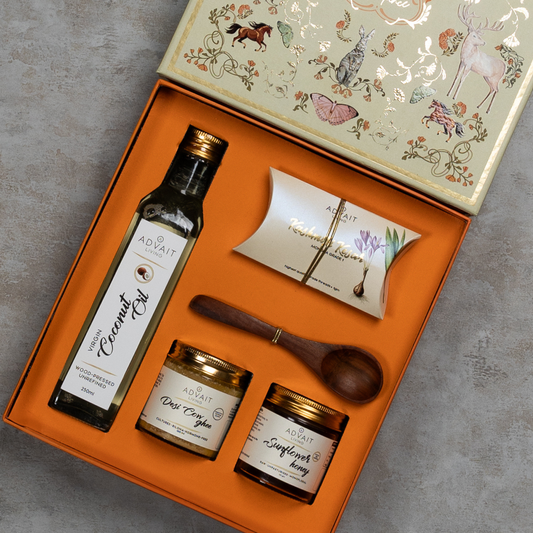
Buy Advait Living High Quality Virgin Cold Pressed Coconut Oil For Your Versatile Cooking Needs.
How to cook with raw coconut oil?
You can safely use the highly versatile raw or cold pressed coconut oil instead of refined oils to cook a variety of dishes:
- Prepare South Indian Dishes such as Dosa, Sambhar, etc.
- Tadka for your coconut chutney, Karuveppilai Chutney, etc.
- Make Breakfast Snacks such as Poha, Upma, etc.
- Prepare all Asian Curries
- Fry Fresh Banana Chips
- Prepare Coconut Fudge or Coconut Avocado Ice Cream (Keto-Friendly)
- Add it to Thai Curry
- Fry Mutton Kebabs
- Make Fish Curry
2. Add It To Your Drinks

Due to its medicinal properties, consider adding raw coconut oil to other alternative beverages such as coconut smoothie, pineapple matcha smoothie, turmeric ginger tea or Hawaiian iced cafe and make it part of your daily routine.
How to add it to your morning routine?
Add 1-2 tspn of cold pressed virgin coconut oil & ½ tspn cinnamon powder to warm water, drink it empty stomach in the morning. This can help aid digestion, reduce blood sugar levels, relieve inflammation of the mucus layers, ease constipation, and form a healthy protective layer in the gastrointestinal tract. Consume in moderation and take breaks in between meals.
3. Use Coconut Oil To Increase Metabolism
Cold pressed virgin coconut oil is loaded with saturated fats and especially with lauric acid (45-50%), a type of medium-chain saturated fatty acid (MCT). Lauric acid is ketogenic, gut-friendly and a great source of quick energy. It may help metabolise fat-burning. This is because the body can rapidly metabolise MCTs due to their shorter carbon chains. Unlike long-chain fatty acids (LCTs), the body can quickly transport MCTs directly to the liver, bypassing the lymphatic system. The liver rapidly converts MCTs into energy and ketones, providing us with instant energy. Research by Clegg et al. (2013) also suggests that MCT can increase diet-induced thermogenesis, improve satiety and decrease energy intake, and this may help induce weight loss.
How to use it to stimulate energy production?
Consume bullet coffee in the morning to stimulate your metabolism and keep your blood sugar levels low. Add 1-2 tsp of cold pressed virgin coconut oil in your black coffee (ideally without any addition of sugar) and enjoy it in the morning. This drink is sure to provide sustained energy and increase satiety levels, and may even support cognitive functions.
Read our detailed guide on Bulletproof Coffee with Coconut Oil to understand how this fat-rich beverage supports sustained energy and satiety.
4. Use Cold Pressed Coconut Oil For Oil Pulling

Coconut oil has been widely used in oil pulling since ancient times. This ayurvedic technique to maintain oral hygiene eliminates gum inflammation, bad breath, and stains on teeth. Several studies on oil pulling suggest that coconut oil can be used to improve oral health and dental hygiene.
The alkali in saliva reacts with oil, resulting in saponification, and forms a soap-like substance to reduce plaque adhesion. It is also said that sodium hydroxide in saliva reacts with lauric acid in coconut oil to form sodium laureate. This sodium laureth is the main component of soap and is known for the cleansing action of coconut oil. Another study by Kaliamoorthy et al. (2018) also concluded that oil pulling with coconut oil is more effective than sesame oil in reducing the severity of gingivitis.
How to Use Coconut Oil for Oil Pulling?
-
- Take a teaspoon of coconut oil and swish it in your mouth for approximately 20 minutes without swallowing it.
- Spit the oil in a trash can and rinse your mouth with water.
- Later, brush your teeth for the best results.
Read this article for a complete guide to oil pulling techniques and the right way to do it.
Note: Oil pulling is not an alternative to any form of oral health activities such as brushing and flossing.
5. Improve Gut Health With Virgin Coconut Oil

Lauric acid in coconut oil has a strong antimicrobial activity among all saturated fatty acids. It showed the highest antimicrobial activity against Gram-positive bacteria such as Streptococcus, Staphylococcus, Pneumococcus, and fungi like Candida albicans. Besides killing these infectious microbes, it increases the probiotic microbes like Lactobacillus or Bifidobacterium. This proves that consuming coconut oil improves gut health by balancing the gut microbiota. The medium-chain fatty acids of coconut oil are smaller and easier to absorb into the bloodstream. This leads to quick digestion and improves overall nutrient absorption.
How to Use Virgin Coconut Oil to Improve Gut Health?
Add two teaspoons of raw & uncooked virgin coconut oil to your food, salad dressings, smoothies and other recipes frequently. This adds a unique flavour and aroma to your food and improves gut health by eliminating disease-causing microbes and increasing probiotics.
6. Practice Ayurvedic Abhyanga (Self-Massage) With Coconut Oil

Abhyanga is an ayurvedic self-massage technique practised to relax muscle tension and enhance overall health and wellbeing. Abhyanga restores doshas and reduces muscle stiffness, improving flexibility, strength, and mobility. It also promotes lymphatic drainage and reduces the trauma effects (Abhighata sahyatva). Self-massaging with coconut oil also cleanses dirt, improves body complexion and skin elasticity, improves eyesight and prevents the ageing process. A pilot study published in The Journal of Alternative and Complementary Medicine, Basler (2011), revealed that practising abhyanga reduces stress and is beneficial in lowering blood heart rate and blood pressure in prehypertensive subjects.
How to Practise Ayurvedic Abhyanga with Coconut Oil?
-
- Take ¼ - ½ cup of cold pressed coconut oil (pita oil) and warm it gently.
- Start massaging from head to toe in a smooth circular motion.
- Massage the limbs with long strokes and joints with circular strokes.
- Continue it for 5 to 20 minutes and give special attention to ears, scalp and feet.
- Take a warm shower to rinse the oil from the body.
- Apply a few drops of essential oil on wrists and neck for the additional benefits of Abhyanga.
7. Boost Collagen Production

Scientific evidence shows that virgin coconut oil boosts collagen synthesis and promotes wound healing. It has been noted that wounds treated with coconut oil healed much faster with a significant increase in pepsin-soluble collagen, indicating a higher collagen crossover. This increased natural production of collagen improves skin elasticity and prevents premature ageing signs.
How to Boost Collagen Production?
Clean virgin coconut oil can be directly applied at the site of the wound to boost collagen to heal wounds faster. Applying coconut-infused products like serum, spot treatments, serum masks, and under-eye patches also helps to boost collagen and keep the skin young and supple.
Looking for more skincare options? Read about the 6 ways you can use almond oil for skin.
8. Best Oil For Gentle Baby Massage
Coconut oil is traditionally used to massage newborn babies, as it is believed to support healthy weight gain and improve skin condition. Regular massage with coconut oil is also thought to help keep the skin nourished and may support overall infant comfort and well-being.
Another study comparing the effectiveness of coconut and olive oil for body massage shows that these oils improve body weight and sleep patterns and reduce crying in low birthweight newborns. It concluded that coconut oil is more cost-effective and easily acceptable to mothers, making virgin coconut oil for skin a preferred choice over olive oil for baby massage (2).
How to Massage a Baby with Coconut Oil?
-
- Take a few drops of cold pressed coconut oil and rub it between the palms to warm up.
- Massage the feet, hands, and legs of the baby, followed by the abdomen and chest using gentle long strokes.
- Continue this for 15 to 30 minutes every day for best results.
9. Make Homemade Toothpaste With Virgin Coconut Oil
The antimicrobial property of this oil is renowned for reducing plaque-causing microbes. Unlike non-herbal toothpaste, virgin coconut oil is safe even when swallowed, reduces debris and plaque formation, strengthens teeth, polishes tooth surfaces and eliminates bad breath. Adding coconut oil to the homemade toothpaste is inexpensive and eco-friendly. Besides this, no harmful chemicals like lauryl sulphate, sodium laureth sulphate, and sodium lauryl ether sulphate are found.
Ingredients to Make Homemade Toothpaste
-
- 6 tbsp of Virgin coconut oil
- 4 tbsp of baking soda
- 20 drops of oregano oil
- 20 drops of food-grade peppermint oil
How to Make Homemade Toothpaste with Virgin Coconut Oil?
-
- Mix the virgin coconut oil with 4 tbsp of baking soda to get a smooth paste.
- Add oregano and peppermint oil and stir well with a spoon.
- Store this thick paste in a small jar, dip your toothbrush in it, and use it like regular toothpaste.
10. Use It As Natural Make-Up Remover
Another excellent use of cold pressed coconut oil is removing makeup. This oil acts as a better alternative for commercial makeup removers. With its moisturising and antimicrobial properties, cold pressed coconut oil removes makeup effectively. However, due to its comedogenic properties, it may clog pores in acne-prone skin. Always rinse the oil with lukewarm water to remove the oil residue, especially when using coconut oil for face care.
How to Use It As a Makeup Remover?
Take a few drops of virgin coconut oil and apply it over the makeup. Wipe it off with a cotton or clean cloth completely, and wash your face with lukewarm water. Enjoy this effective natural makeup remover without using any harmful or expensive makeup remover.
11. Use It Daily As A Natural Moisturiser
Cold pressed coconut oil is widely used in the skincare industry for its moisturising properties. 90-95% of virgin coconut oil is saturated triglycerides, and this adds a moisturising and soothing effect to the skin when applied. The fatty acid, especially lauric acid, found in coconut oil is considered more safe and efficient in the preparation of moisturisers. This serves as a safe alternative for mineral and petroleum-based emollients. This oil acts as a natural moisturiser, prevents tissue damage, and protects your skin. Several clinical studies also proved the efficiency of cold pressed coconut oil as a moisturiser.
How to Use It as a Natural Moisturiser?
Apply 2 to 3 drops of coconut oil and massage it all over your body. Regular application of coconut oil on the skin improves dry skin and prevents the signs of premature ageing like wrinkles.
12. Protect Hair from Damage
Coconut oil for hair acts as an excellent remedy to protect against damage. The lauric acid in the oil has a high affinity for keratin protein in the hair and aids in repairing hair shafts, acting as a barrier for the hair. This penetration ability explains the advantage of coconut oil on hair, as its low molecular weight and linear structure allow it to enter the hair shaft and reduce protein loss.
How to Protect Hair with Coconut Oil?
Slightly warm the coconut oil along with a few drops of any essential oil and apply it to the entire hair. Leave it overnight and wash it off with a mild shampoo. Treating your hair with coconut oil offers an extra layer of protection and leaves your hair smooth and shiny.
13. Improve Hair Lustre

Enriched with vitamins E and K, lauric acid, and minerals, coconut oil helps people with Pitta dosha. Besides this, antimicrobial properties and antioxidants present in cold pressed coconut oil support hair growth. These properties explain the long-standing use of coconut oil for hair to improve shine and manageability. When mixed with other herbs like kalonji, curry leaves or hibiscus, it enhances the hair lustre and growth.
How to Improve Hair Lustre with Coconut Oil?
-
- Add some herbs or essential oil to the warm coconut oil and apply it to the hair (focus more on the ends).
- Use a shower cap or warm towel to cover your hair and leave it on for 30 minutes.
- Wash the hair thoroughly using a gentle shampoo & make sure the oil is completely removed.
Suggested Reading: Evidence-Based Benefits, Uses and DIYs of Castor Oil for Hair
14. Prepare Natural Deodorant
As an alternative to conventional deodorants, cold pressed coconut oil, with its antimicrobial properties, helps to ward off microbes that cause an unpleasant odour. This cost-effective solution protects the body from the damage of prolonged usage of commercial deodorants.
Ingredients for Natural Deodorant
-
- Coconut Oil
- Shea Butter
- Baking Soda
- Cornstarch powder
- Essential oil
How to Prepare a Natural Deodorant?
-
- Using a double boiler method, add coconut oil and shea butter to a glass bowl and boil it until it melts.
- After it melted, add cornstarch powder, baking soda and essential oils to boost the odour-fighting power.
- Once done, store it in a glass jar at room temperature and use it whenever needed.
- Take a scoop of this mixture and apply it to your underarms after showering to prevent unpleasant odours.
15. Replace Your Shaving Cream With Organic Coconut Oil
The high moisturising property of cold pressed coconut oil soothes the skin and provides a slippery surface for a smooth shaving experience. By switching to organic coconut oil, all the harmful effects of mineral oil, surfactants, preservatives, and other toxic chemicals can be prevented.
How to Use Coconut Oil as a Shaving Cream?
-
- Apply a thin layer of it to the clean skin.
- Let the oil sink and soften your skin for a few minutes.
- Once done, shave normally and rinse the razor often to prevent the coconut oil buildup.
- Also, apply coconut oil on the skin after shaving for better results.
16. Improve Wound Healing
Cold pressed coconut oil is widely known for treating minor wounds. The topical application of coconut oil on the wound has been proven to be an excellent wound-healing agent. The presence of vitamin E in the oil slightly increases the antioxidant enzyme activity, fibroblast proliferation, and formation of new blood vessels. A study by Nevin and Rajamohan (2010) conducted on young rats also proves that cold pressed coconut oil heals the wound faster.
How to Heal Wounds Faster?
Clean the wound thoroughly with water or an antiseptic agent and apply sterilised cold pressed coconut oil on the minor cuts. Do this often till the wound heals.
17. Use It As A Base For Natural Insect Repellent
Cold pressed coconut oil, when applied topically, repels blood-sucking insects like mosquitoes, biting flies, ticks, and bed bugs. The mixture of medium-chain fatty acids in the coconut oil shows better repellent activity (3). These fatty acids from coconut oil are non-toxic and safe to use as an insect repellant and a natural, cost-effective solution.
How to Repel Insects with It?
Mix the coconut oil with a few drops of any one of the desired essential oils with insecticidal properties, such as citronella oil, lemongrass oil, peppermint oil, tea tree oil, and cedar wood oil. Shake the mixture well before applying it to the skin.
18. Prepare Homemade Natural Soaps
Cold pressed coconut oil is widely used in soap making and is best known for its high cleansing and lathering power. This oil has a high amount of lauric acid and aids in reducing inflammation and infections in the skin. This makes virgin coconut oil for skin a popular choice in natural soap formulations. It can be combined with other cold pressed oils, like castor oil, for additional benefits.
Ingredients
-
- Lye solution (66g of sodium hydroxide in 150g of distilled water)
- 454 g of coconut oil
How to Prepare Soaps with Coconut Oil?
-
- Prepare the soap mould and ensure the goggles and gloves are on.
- Once the lye solution and coconut oil attain 100℉, stir the lye remedy into the oil pan.
- Blend the lye solution and oil until it reaches a trace with a silicone spatula.
- Once the soap is traced, pour it into the silicone mould with cavities. Leave it on the kitchen counter out of direct sunlight for 48 hours.
- Leave the soap bars for at least 10 weeks in an airy area till they turn hard and white. Once done, the soap can last up to 2 years.
19. DIY Nail Treatment
This versatile oil treats nails in the comfort of your home, reducing the expense. Cold pressed coconut oil strengthens brittle nails, treats damaged cuticles, prevents nail ridges, and treats toenail fungus. Apply and massage coconut oil for 10 to 20 minutes and rinse it with lukewarm water.
How to Strengthen Nails with Coconut Oil?
-
- Clean nails thoroughly and soak them in warm water for a few minutes.
- Dab the nails with a clean towel. Apply and massage the coconut oil for 10 to 20 minutes and rinse it with lukewarm water.
- Follow this often for optimal results.
20. Removes Stains
Cold pressed coconut oil is not only valued for health and skincare but is also useful for household applications. For instance, coconut oil is often used to remove stains from upholstery and carpets. It is also efficient in removing some stains, such as ink, soap, or oxide.
How to Remove Stains with it?
To remove stains, rub a few drops of coconut oil on the stain, let it soak for 10 minutes, and wash it off. Using baking soda along with coconut oil removes the soap scum.
Conclusion
In essence, cold pressed virgin coconut oil is more than just a culinary staple; it's a versatile elixir deeply rooted in ancient traditions and modern wellness practices. Its rich history in Indian culture and Ayurvedic medicine speaks volumes about its myriad benefits, ranging from skincare to culinary delights and even medicinal applications.
As we've explored, the nutritional richness of cold pressed virgin coconut oil, coupled with its unique extraction process, sets it apart as a superior choice for both health and culinary enthusiasts. The ability to withstand high temperatures while retaining its natural goodness makes coconut oil ideal for cooking, elevating the flavours of dishes across diverse cuisines.
Moreover, its versatility extends beyond the kitchen, serving as a natural remedy for various skin and hair concerns, a gentle aid in baby care, and even a DIY ingredient for homemade toiletries. From oil pulling to homemade toothpaste, from baby massages to natural deodorants, its applications are as diverse as they are effective.
Where natural, sustainable alternatives are increasingly sought after, cold pressed virgin coconut oil shines as a beacon of purity and efficacy. Its timeless appeal, coupled with its modern-day relevance, cements its status as a cherished essential in both traditional and contemporary lifestyles.
So, whether you're whipping up a batch of coconut-infused delicacies or pampering your skin with a luxurious massage, let cold pressed virgin coconut oil be your trusted companion on the journey to holistic well-being. Embrace its goodness, savour its flavours, and revel in the timeless wisdom of nature's bounty encapsulated in a humble coconut.
Frequently Asked Questions
1. What are the benefits of cold pressed virgin coconut oil, and how does it differ from extra virgin coconut oil?
Cold pressed virgin coconut oil retains its natural fatty acids, antioxidants, and aroma due to minimal processing. These properties support cooking, skincare, and hair care applications. The overall benefits of virgin coconut oil come from its purity, heat stability, and versatility in daily use. While extra virgin coconut oil benefits are often linked to aroma and sourcing, the nutritional differences between the two are minimal, and both are widely used for similar everyday applications.
2. Can virgin coconut oil be used for cooking every day?
Yes, coconut oil for cooking is suitable for daily use because it is heat-stable and resistant to oxidation. Cooking in cold pressed coconut oil helps preserve flavour while reducing harmful byproducts at high temperatures. It is commonly used for sautéing, frying, and traditional Indian dishes.
3. Can cold pressed virgin coconut oil be used on hair daily?
Coconut oil for hair is commonly used to reduce protein loss, dryness, and breakage. When applied in small amounts, it helps nourish the scalp and improve hair texture. Choose the best coconut oil for hair (cold pressed virgin coconut oil) for visible results, especially for dry or damaged strands.
4. Is cold pressed virgin coconut oil for the face and skin safe to use?
Virgin coconut oil for skin is widely used as a natural moisturiser due to its fatty acid profile. It helps improve skin hydration and barrier function when used appropriately. For some skin types, especially acne-prone skin, patch testing is recommended before regular use.
5. How do I choose the best virgin coconut oil for skin?
To choose the best virgin coconut oil for skin, look for cold-pressed, unrefined, and food-grade products with no additives or bleaching agents. Cold pressed coconut oil helps retain natural fatty acids and antioxidants, and benefits your face by supporting hydration and barrier repair. Always check labels for purity and minimal processing, and opt for trusted, transparent sourcing for safe topical use.

Table of Contents
Most Recent Posts
-
1

Protect Your Skin This Holi With These Simple Tips
Advait LivingProtect Your Skin This Holi With These Simple Tips
Advait Living -
2

Castor Oil for Hair: 9 Powerful Remedies That Actually Work
Meenakshi TempCastor Oil for Hair: 9 Powerful Remedies That Actually Work
Meenakshi Temp -
3

7 Ways to Use Almond Oil for Your Skincare Routine
Advait Living7 Ways to Use Almond Oil for Your Skincare Routine
Advait Living -
4

8 Powerful Castor Oil Benefits & Remedies for Skincare
Meenakshi Temp8 Powerful Castor Oil Benefits & Remedies for Skincare
Meenakshi Temp - 5