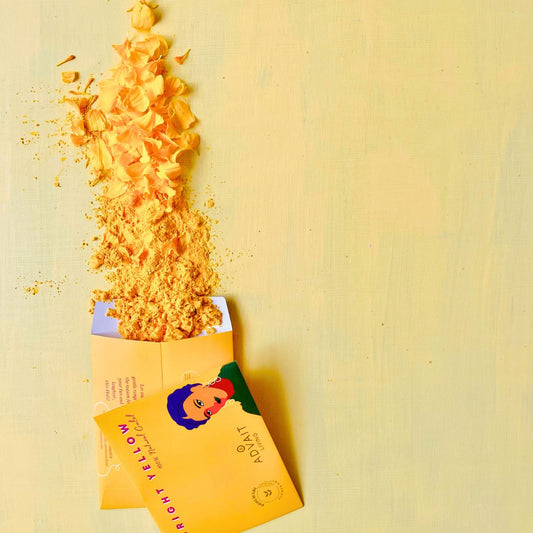

‘Holi colours’ are loved for their dazzling hues, bringing joy and vibrancy to every celebration. But have you ever wondered what’s really in those bright powders? Many commercially available Holi colours contain synthetic dyes, heavy metals, and harmful chemicals that can cause skin irritation, allergies, and even long-term health issues. Their impact doesn’t stop there. These chemical-laden colours pollute water bodies, harm animals, and degrade the environment.
This is why choosing organic and non-toxic Holi colours isn’t just a safer option; it’s a statement and celebration of health and sustainability. Made from natural ingredients like flowers, herbs, and kitchen staples, these colours are gentle on your skin, safe for children, and perfect for an eco-friendly Holi. This Holi, let’s embrace vibrant, chemical-free colours that spread happiness without harm!
Essential Ingredients for Making Natural Holi Colours

Creating your own natural Holi colours is a delightful and eco-friendly way to celebrate the festival. Learning how to make natural Holi colours using common kitchen ingredients, garden plants, herbs, spices, and flower-based pigments allows you to craft a vibrant palette of herbal Holi colors that are safe for both your skin and the environment.
Common Kitchen and Garden Ingredients:
-
Turmeric Powder: A staple in many kitchens, turmeric offers a bright yellow hue. Mixing turmeric with gram flour (besan) can yield a dry yellow powder.
-
Beetroot: Known for its deep magenta juice, beetroot can be grated and mixed with water to produce a rich pink or red colour.
-
Spinach and Coriander Leaves: Blending these green leaves creates a paste that, when mixed with water, provides a natural green shade.
-
Red Hibiscus Flowers: Drying and powdering hibiscus flowers result in a fine red powder, ideal for a natural red colour.
-
Neem or Spinach Powder: Beyond its traditional use, spinach or neem leaf powder can be mixed with flour to create a gentle green colour.
-
Marigold Flowers: Drying and crushing marigold petals yield a yellow-orange powder.
-
Tesu or Palash (Flame of the Forest) Flowers: Soaking these vibrant orange flowers in water produces a deep orange dye.
- Jacaranda Flowers: Drying and grinding these blue flowers can provide a natural blue powder.
By harnessing these natural ingredients, you can enjoy a colourful and safe eco-friendly Holi celebration, free from the concerns associated with synthetic dyes.
Step-by-Step Guide to Making Natural Holi Colours

Red Colour:
-
-
-
Using Dried Rose Petals: Dry rose petals in the sun until crisp, then grind them into a fine powder. Store in an airtight container. This is one of the simplest ways to make natural Holi colours at home using flowers.
-
Using Red Sandalwood: Simply use pure red sandalwood powder as a vibrant red Holi colour.
- Using Beetroot: Grate the beetroot and dry it under the sun. Once completely dry, grind it into a fine powder. For a wet colour, boil beetroot slices in water, let it cool, and use the coloured water.
-
Using Dried Rose Petals: Dry rose petals in the sun until crisp, then grind them into a fine powder. Store in an airtight container. This is one of the simplest ways to make natural Holi colours at home using flowers.
-
Yellow Colour:
-
-
-
Using Turmeric: Mix Turmeric Powder with gram flour (besan) to create a smooth, easy-to-apply dry yellow colour.
- Using Marigold Flowers: Dry marigold petals, grind them into a fine powder, and mix with cornflour for better texture. For a liquid colour, soak the petals in warm water overnight.
-
Using Turmeric: Mix Turmeric Powder with gram flour (besan) to create a smooth, easy-to-apply dry yellow colour.
-
Green Colour:
-
-
-
Using Spinach: Blend fresh spinach leaves into a thick paste, spread it out to dry, and grind into powder. For a wet colour, use the fresh juice extracted from blended spinach. These herbal colours are completely plant-based and safe.
- Using Neem Leaves: Dry neem leaves in the sun and grind them into a fine powder for a natural green hue.
-
Using Spinach: Blend fresh spinach leaves into a thick paste, spread it out to dry, and grind into powder. For a wet colour, use the fresh juice extracted from blended spinach. These herbal colours are completely plant-based and safe.
-
Blue Colour:
-
-
-
Using Blue Hibiscus: Dry the flowers and grind them into powder. For a liquid colour, soak the petals in warm water overnight.
-
Using Jacaranda Flowers: Dry the petals and crush them into a powder or soak them in water for a liquid blue dye, perfect for those seeking eco friendly colours for Holi.
- Using Indigo: Use natural indigo powder mixed with a little cornstarch for a dry Holi colour.
-
Using Blue Hibiscus: Dry the flowers and grind them into powder. For a liquid colour, soak the petals in warm water overnight.
-
Pink & Purple Colours:
-
-
-
Using Beetroot: Use beetroot powder (as mentioned in red) for a pinkish-purple shade or dilute beetroot juice with water for a wet pink colour.
-
Using Pomegranate Peels: Dry and grind pomegranate peels for a light pink powder. Soaking them in warm water overnight creates a liquid pink colour.
- Using Dried Berries: Dry and grind jamun (Indian blackberry) or other dark berries for a rich purple shade.
-
Using Beetroot: Use beetroot powder (as mentioned in red) for a pinkish-purple shade or dilute beetroot juice with water for a wet pink colour.
-
Orange Colour:
-
-
-
Using Dried Tesu (Flame of the Forest) Flowers: Sun-dry the flowers and grind them into a fine powder. For a wet colour, soak the flowers in warm water overnight.
- Using Raw Turmeric: Grate fresh turmeric, dry it in the sun and grind it into powder. For a liquid version, boil turmeric slices in water.
-
Using Dried Tesu (Flame of the Forest) Flowers: Sun-dry the flowers and grind them into a fine powder. For a wet colour, soak the flowers in warm water overnight.
-
These simple methods let you enjoy Holi with bright, chemical-free herbal colours that are safe for your skin and the environment.
How to Make Wet Organic Holi Colours?

While dry Organic Holi Liquid Watercolors are fun to play with, wet colours add an extra splash of vibrancy to the celebrations. There’s nothing quite like the joy of drenching your siblings and friends in colourful water, laughing as kids run around with water balloons and pichkaris. However, most commercial wet Holi colours contain artificial dyes and chemicals that can irritate the skin, stain clothes, and, most dangerously, cause severe discomfort when they come in contact with the eyes. Synthetic colours often contain harsh chemicals like lead, mercury, and industrial dyes, which can lead to eye infections, redness, and even long-term damage.
The good news? You can easily make your own natural, skin-friendly wet colours using flowers, fruits, and herbal extracts. These colours are not only safe but also nourishing, making Holi a truly joyful and eco-conscious festival. Want to know more about the dangers of synthetic Holi colours?
Read our article on the safety hazards of synthetic Holi colours.
Natural Dyes from Flower Petals and Fruits
-
Hibiscus or Rose Petals (Red/Pink): Soak dried or fresh petals in warm water overnight. Strain and use the coloured water for a vibrant pink-red shade.
-
Marigold or Tesu Flowers (Yellow/Orange): Boil fresh or dried marigold or tesu flowers in water for 15–20 hours. Strain the mixture and use it.
-
Beetroot (Deep Pink/Purple): Boil beetroot slices in water until it turns deep pink. Let it cool, strain, and use as a natural wet Holi colour.
- Pomegranate Peels (Pinkish-Red): Soak dried pomegranate peels in warm water overnight to get a rich pinkish-red dye.
Infusing Herbal Extracts for Vibrant Liquid Colours
-
Neem or Spinach (Green): Blend fresh neem or spinach leaves with a little water. Strain and use the vibrant green extract as a wet Holi colour.
-
Turmeric (Yellow): Mix turmeric powder in water and let it sit for a few hours before using.
-
Indigo or Jacaranda Flowers (Blue): Soak dried indigo leaves or jacaranda flowers in warm water overnight to get a natural blue dye.
- Raw Turmeric and Lime (Orange): Boil raw turmeric slices in water, then add a few drops of lime juice for a bright orange colour.
Tips for Storing and Using Natural and Homemade Holi Colours

Making organic Holi colours at home is a wonderful way to celebrate safely, especially when you understand how to make natural Holi colours that stay fresh and vibrant. But proper storage is key to maintaining their vibrancy and effectiveness. Here’s how you can keep your homemade colours fresh and ready for the festival:
Proper Drying and Storage Techniques
-
Thorough Drying: If you’re making dry colours from flowers, leaves, or kitchen ingredients, ensure they are completely sun-dried before grinding. Any moisture can lead to mould and spoilage.
-
Airtight Containers: Store the powdered colours in airtight glass or metal containers to prevent exposure to air and humidity, which can cause clumping.
- Keep Away from Direct Sunlight: Store the containers in a cool, dry place to retain the natural pigments and prevent fading.
How to Ensure Natural Homemade Holi Colours Stay Fresh and Effective?

Unlike artificial Holi colours, which contain preservatives and synthetic chemicals to prolong shelf life, homemade organic colours are made from fresh, natural ingredients. This means they don’t last indefinitely and should be prepared as close to Holi as possible for the best results. Here’s how to ensure your colours stay vibrant and effective:
-
Make Small Batches: Since natural colours can spoil over time, it’s best to prepare only as much as you need rather than storing them for weeks or months.
-
Prepare Dry Colours a Few Days in Advance: If making powdered colours from dried flowers, spices, or leaves, ensure they are thoroughly sun-dried and stored in a dry place. Use them within a week to prevent any loss of vibrancy.
-
Use Wet Colours Fresh: Liquid colours made from fruits, vegetables, or flower extracts should ideally be prepared a day before Holi. Store them in the refrigerator and use them within 1–2 days to prevent fermentation or spoilage.
-
Check for Signs of Spoilage: If your wet colour develops a sour smell, or mould, or changes texture, discard it immediately. For dry colours, ensure there’s no moisture, clumping, or foul odour before use.
- Avoid Harsh Preservatives: Some may be tempted to add synthetic preservatives to increase shelf life, but this defeats the purpose of using organic colours. Instead, simply make them fresh for each Holi celebration!
Safety Precautions and Skin-Friendly Tips

Homemade organic Holi colours are much safer than chemical-laden alternatives, but it’s still important to take precautions to ensure they are gentle on the skin, especially for kids and pets. Here’s how you can play Holi safely while keeping skin irritation at bay.
Patch Testing for Skin Sensitivity
Before using any homemade colour, apply a small amount on the inner wrist or behind the ear and wait for 15–20 minutes. If there’s no redness, itching, or irritation, it’s safe to use.
People with sensitive skin or allergies should be extra cautious, especially when using colours made from spices like turmeric or henna. If you’re unsure about a particular ingredient, dilute it with a neutral base like cornflour or besan to make it milder on the skin.
Also Read: Protect Your Skin this Holi with These Skincare Tips.
Ensuring Colours Are Gentle for Kids and Pets
-
For Kids: Young children have delicate skin, so use soft, finely ground powders and mild wet colours made from flowers and fruits. Avoid ingredients like strong citrus extracts that might cause irritation.
-
For Pets: Pets often lick their fur, so avoid any colours that could be harmful if ingested. Stick to completely non-toxic, edible ingredients like beetroot, turmeric, and spinach. Keep them away from the eyes, nose, and ears.
- After Holi, rinse off colours with lukewarm water and a gentle soap or oil massage instead of scrubbing harshly.
Conclusion
Celebrating Holi with homemade, organic colours is not only a fun and creative way to enjoy the festival, but it also ensures a safer, healthier experience for you, your loved ones, and the environment. Knowing how to make organic Holi colours at home helps you enjoy bright shades without worrying about harsh chemicals, and you won’t even need to search for 'organic Holi colours near me' at the last minute. Remember, fresh is best. So prepare your colours close to the day of celebration and embrace the joy of playing Holi in the most eco-friendly way possible! Happy, safe, and colourful Holi!
Frequently Asked Questions
1. How to make homemade Holi colours safely at home?
You can create skin-friendly colours using ingredients like turmeric, beetroot, spinach, hibiscus, and marigold petals. If you're exploring how to make natural Holi colours, focus on drying and grinding plant-based ingredients or extracting their natural juices for wet colours.
2. What are organic and non-toxic Holi colours made of?
Organic colours come from flowers, herbs, vegetables, and natural bases like cornflour or gram flour. People learning how to make herbal colours for Holi often use marigold, rose petals, neem leaves, turmeric, and beetroot because they are biodegradable and gentle on skin.
3. Are natural Holi colours safe for kids, pets, and sensitive skin?
Yes, provided they’re made from mild, edible ingredients and free from strong irritants. Soft floral powders are generally safer than synthetic dyes. Still, patch testing is important, and colours should be kept away from eyes, nose, and mouth.
4. Why should I avoid synthetic Holi colours?
Many commercial colours contain heavy metals, artificial dyes, and industrial chemicals that may cause rashes, allergies, eye irritation, and environmental harm. Natural alternatives reduce these risks and are safer for waterways, soil, animals, and people.
5, How long do homemade organic Holi colours last?
Since they don’t contain preservatives, homemade colours should be prepared close to the festival. Dry powders can last about a week if stored in airtight containers, while wet colours should be refrigerated and used within 1–2 days to prevent spoilage.
Table of Contents
Most Recent Posts
-
1

Protect Your Skin This Holi With These Simple Tips
Advait LivingProtect Your Skin This Holi With These Simple Tips
Advait Living -
2

Castor Oil for Hair: 9 Powerful Remedies That Actually Work
Meenakshi TempCastor Oil for Hair: 9 Powerful Remedies That Actually Work
Meenakshi Temp -
3

7 Ways to Use Almond Oil for Your Skincare Routine
Advait Living7 Ways to Use Almond Oil for Your Skincare Routine
Advait Living -
4

8 Powerful Castor Oil Benefits & Remedies for Skincare
Meenakshi Temp8 Powerful Castor Oil Benefits & Remedies for Skincare
Meenakshi Temp - 5