
Introduction
Every Holi, packets labelled “eco-friendly,” “organic,” and “herbal” flood the market, promising safe and natural celebrations. But how genuine are these eco-friendly Holi gulals, really? As awareness around skin safety and sustainable living grows, more families are choosing organic Holi colours and natural gulal over synthetic powders. Yet, behind the bright hues and reassuring labels, many so-called chemical-free Holi colours still rely on artificial dyes and fillers. Knowing how to separate truly plant-based colours from clever marketing has never been more important.
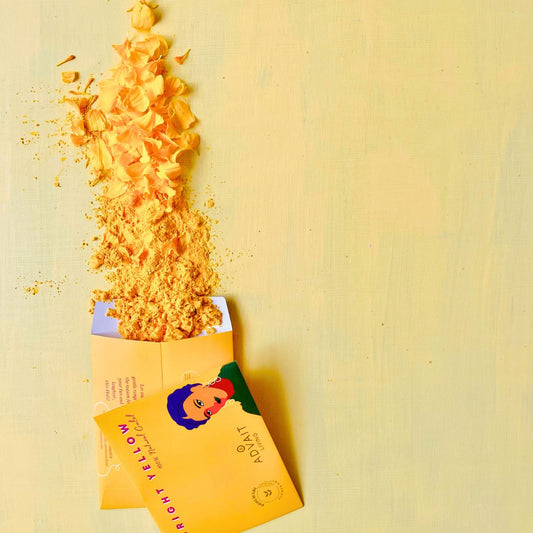
In ancient India, Holi gulals were made from flowers, turmeric, and herbal extracts, not artificial dyes. Marigold, hibiscus, and tesu (flame of the forest) flowers were sun-dried and ground into fine abir powders. Sandalwood and neem add fragrance and skin-soothing properties. These colours weren’t just safe; they were beneficial!
The shift from natural to synthetic colours happened gradually, driven by industrialization and mass production, leading to factory-made powders prioritising cost and brightness over safety. As Holi celebrations grew, the demand for organic Holi colours skyrocketed, and manufacturers turned to cheaper, more vibrant chemical dyes to produce brighter Holi colours. Unfortunately, these synthetic colours contain harmful substances like lead, mercury, and chromium, which can cause skin irritation, breathing issues, and long-term health risks.
With growing awareness, people are returning to plant-based celebrations, leading to the rising demand for eco-friendly gulals. Find out how to be sure your Holi gulals are genuinely safe. And if you are getting real, plant-based colours or just clever marketing. Let’s break it down and learn how to identify truly natural Holi gulals from fake ones.
Understanding Eco-Friendly Gulals
With so many brands claiming to sell “organic” or “natural” Holi gulal, it’s important to know what actually makes a gulal truly eco-friendly. Just because a packet says “herbal” doesn’t mean it’s free from synthetic dyes or harmful additives.
What Makes a Gulal Truly Eco-Friendly?
A genuine eco-friendly gulal is made from natural, biodegradable ingredients that are safe for both people and the environment. It should be:
-
-
Plant-Based & Non-Toxic – Made from natural herbs, vegetables and flowers. Free from artificial dyes, heavy metals, and harsh chemicals.
-
Skin & Hair Friendly – Made with ingredients that won’t cause allergies, rashes, or irritation.
-
Water-Saving – Easy to wash off without excessive water usage.
-
Eco-Conscious – Leaves no toxic residue in the soil or water after Holi celebrations, which is why more families are switching to eco-friendly Holi colours today.
-
Plant-Based & Non-Toxic – Made from natural herbs, vegetables and flowers. Free from artificial dyes, heavy metals, and harsh chemicals.
Key Ingredients to Look For in Truly Natural Gulals
When choosing a genuinely natural Holi gulal, check for these pure, plant-based ingredients instead of vague claims like "herbal extracts" or "natural colours":
-
-
Flower Petals & Extracts: Rose, marigold, tesu (palash), hibiscus, and orchid flowers provide natural pigments and skin-friendly properties.
-
Plant-Based Dyes: Beetroot, majith (Indian madder), and natural indigo offer vibrant, safe colours without synthetic additives.
-
Ingredients to Protect Skin: Turmeric and neem not only add colour but also have antibacterial and skin-soothing benefits.
-
Natural Starches: Arrowroot starch and wheat flour create a smooth, lightweight texture without using talc or artificial fillers.
- Essential Oils: Used for mild, pleasant fragrance instead of synthetic perfumes that can irritate the skin.
-
Flower Petals & Extracts: Rose, marigold, tesu (palash), hibiscus, and orchid flowers provide natural pigments and skin-friendly properties.
Always check for full ingredient transparency and lab-test reports to ensure the gulal is free from synthetic dyes, heavy metals, or chemical residues. A truly natural holi eco friendly colours will list these ingredients clearly—if the details are missing, it’s a red flag. Always check what’s inside before you buy.
You may find this helpful: 7 Tips for Choosing Safe and Natural Holi Colours
The Problem with Fake "Natural" Gulals
With the rising demand for eco-friendly Holi colours, many brands have jumped on the “organic” bandwagon. But not all so-called “natural” gulal holi powders are as pure as they claim to be. Many products marketed as herbal or skin-safe colour for Holi still contain synthetic additives, making it essential to look beyond the label.

Common Misleading Claims
Here are some common ways brands mislead customers into thinking their Holi colours are natural:
"Organic" Without Certification or Lab Reports:
Many brands use the word “organic” freely, but without proper certification or lab reports, there’s no real proof that their Holi gulals are free from harmful chemicals. At Advait Living, we rely on lab-tested reports to ensure complete transparency about the purity and safety of our colours.
"Herbal Extracts" in a Synthetic Base:
Some products claim to have herbal extracts, but still mix them with artificial dyes and fillers. The key indicator is the colour intensity. A truly natural gulal tends to have soft, pastel shades because it is made purely from dried flowers, herbs, and plant ingredients. Bright, vibrant shades often rely on food-grade colours, which, while safer than synthetic chemicals, are still not entirely plant-based. Understanding this difference helps in making an informed choice.
"Chemical-Free" But Still Synthetic:
Just because a product doesn’t contain heavy metals doesn’t mean it’s completely natural. Many brands replace one synthetic chemical with another lesser-known product, but an equally harmful substitute.
"Made from Edible Ingredients":
But Mixed with Dyes: Some brands claim their gulals are made from food-based ingredients like turmeric or rice flour, but still add artificial colours for brightness, defeating the purpose of choosing eco-friendly colours for Holi.
Hidden Chemicals and Their Impact
Even when a gulal looks harmless, it may contain hidden toxins that can harm your skin, hair, and overall health. Some of the most common culprits include:
-
-
Heavy Metals (Lead, Mercury, Chromium, Cadmium) found in synthetic colours, these can cause skin allergies, rashes, and even long-term health issues like nerve damage.
-
Artificial Dyes (Azo Dyes, Malachite Green, Rhodamine B) used to create bright, long-lasting colours are known to cause skin irritation and can be carcinogenic with prolonged exposure.
-
Silica or Mica Powders are added to give a shiny effect, but they can lead to respiratory problems when inhaled.
- Cheap Industrial Fillers (Talc, Chalk, or Chemical Starch) make gulals feel soft but can clog pores, trigger breakouts, or cause dryness.
-
Heavy Metals (Lead, Mercury, Chromium, Cadmium) found in synthetic colours, these can cause skin allergies, rashes, and even long-term health issues like nerve damage.
Many of these harmful ingredients don’t just affect you; they also pollute soil and water when washed off, harming plants, animals, and aquatic life.
So the next time you pick up a packet of “natural” gulal, take a closer look. Does it have a clear ingredient list? Is there a certification? If not, it might be just another synthetic product in disguise!
How to Identify Genuine, Eco-Friendly Gulals?
With so many brands making eco-friendly claims, how can you be sure that the holi gulal packets you’re buying are truly natural and safe? Here’s a simple guide to spotting the real deal.
Certifications and Labels to Check
A genuinely eco-friendly gulal will have proper certifications and transparent labelling. Look for:
1. Ingredient Transparency
This is our biggest and truest commitment at Advait Living. A truly reliable brand will clearly list every ingredient used—no vague claims, no hidden additives. If a packet simply states “natural extracts” or “herbal gulal” without specifying the actual ingredients, it’s a major red flag.
At Advait Living, we take transparency seriously. Every Holi gulal we offer comes with a complete ingredient list and lab-tested reports, so you know exactly you’re celebrating with pure, natural, and safe colours, just as they should be.
2. Organic Certifications & Lab Testing:
Certifications like ECOCERT, USDA Organic, India Organic, or PETA-Certified Cruelty-Free indicate that the product meets strict natural and safety standards. In addition to certifications, lab testing plays a crucial role in verifying purity. At Advait Living, our Holi gulal undergo rigorous lab tests to ensure they are genuinely free from harmful chemicals, heavy metals, and synthetic additives.
This level of verification is especially important if you are buying eco-friendly Holi colours online, where ingredient transparency matters the most.
3. Non-Toxic & Heavy Metal-Free Labels:
Look for mentions of “100% natural,” “heavy metal-free,” “biodegradable,” and “no synthetic dyes.” Brands that provide lab test reports on purity are even better.
If a product lacks certifications, hides its ingredients, or has overly generic claims, it’s best to avoid it.
The Ultimate Purity Test: Does It Stain?
One of the most reliable ways to check if your gulal is truly natural is the Stain Test. Apply a small amount of gulal on your skin and leave it for 10-15 minutes. Naturally derived colours from flowers, herbs, or plant extracts may leave a mild tint—similar to turmeric or beetroot—but will wash off easily with water. In contrast, synthetic or chemical-laden gulals often leave stubborn stains that linger for hours or require soap and scrubbing to remove. This is a clear sign of artificial dyes and additives.
A quick Water Test can also help. Natural gulals typically dissolve or form a light residue, whereas synthetic ones may leave an oily layer or an unnaturally bright patch.
At Advait Living, the gulals are carefully lab-tested to ensure they are completely free from synthetic dyes and harsh chemicals, making your Holi celebration safe, skin-friendly, and truly natural.
The Environmental and Health Benefits of Authentic Holi Colours
Unlike synthetic colours that can cause skin irritation, allergies, and respiratory issues, natural gulals made from ingredients like turmeric, neem, and hibiscus are gentle, toxin-free, and even offer Ayurvedic benefits. They are safe for children and pets as they contain no heavy metals or artificial dyes.
Beyond personal health, authentic gulals are biodegradable and non-polluting, breaking down naturally without harming soil, water bodies, or aquatic life. Unlike chemical-based colours that contaminate rivers and affect wildlife, plant-based gulals dissolve harmlessly, preserving the environment. Choosing genuine eco-friendly gulals ensures a safer and more joyful Holi for both people and the planet.
Where to Buy Authentic Organic Holi Colours?
With so many brands claiming to sell “natural” Holi colours, finding a genuinely safe and eco-friendly gulal requires a little extra attention. Here’s how you can make the right choice.
Trusted Brands and Sources: What to Look For
When choosing eco-friendly Holi colours, don’t just go by labels. Look for brands that provide lab-tested reports to prove their purity. Many products claim to be "organic" or "natural," but without lab verification, there’s no real guarantee. At Advait Living, we back our colours with thorough lab testing, ensuring they are free from synthetic dyes, heavy metals, and harmful chemicals.
Another key factor is transparency in manufacturing. Trustworthy brands openly share their ingredient sources and production process, giving you confidence in what you’re using. Before buying, check if the manufacturer discloses how their gulals are made, whether they detail the extraction process, drying methods, and quality checks. The more transparent a brand is, the more likely it is that their gulals are genuinely natural and safe.
Red Flags To Watch Out For:
Be cautious if a gulal has any of the following warning signs:
-
-
No Ingredient List or Lab Reports: If a product is labelled “herbal” or “organic” but lacks a detailed ingredient list or lab test reports, it may not be truly natural.
-
Artificial Fragrances: Strong, perfume-like scents often indicate synthetic additives rather than natural ingredients.
-
Overly Bright Neon Shades: Natural gulals have soft, earthy tones, while extremely bright or fluorescent colours suggest chemical dyes.
-
Sticky or Oily Residue: Pure, herbal abir feels smooth and powdery; a sticky or greasy texture is a sign of synthetic fillers.
-
Unrealistically Cheap Pricing: Authentic herbal gulals require careful sourcing and natural processing, so if the price seems too good to be true, it probably is.
- Lack of Transparency: If a brand doesn’t openly share its sourcing details or testing process, it’s best to choose a more transparent alternative.
-
No Ingredient List or Lab Reports: If a product is labelled “herbal” or “organic” but lacks a detailed ingredient list or lab test reports, it may not be truly natural.
DIY Natural Gulals: A Safer Alternative

Making your own eco-friendly Holi colours at home is a great way to ensure they are 100% natural, safe, and free from hidden chemicals. The biggest advantage is that you have complete control over the ingredients, using flowers, spices, and plant powders that are skin-friendly and biodegradable. Plus, DIY gulals are cost-effective and customisable. You can experiment with different natural sources, like turmeric for yellow or beetroot for pink.
However, the process can be time-consuming, and achieving the same vibrancy and smooth texture as store-bought gulals may require some effort. If you're up for a fun, eco-friendly project, check out our step-by-step guide on How To Make Organic And Non-Toxic Holi Colours At Home for easy DIY recipes and celebrate Holi the purest way possible!
Conclusion
The choices we make can shape how safe and sustainable our festivities truly are. By opting for authentic, eco-friendly gulals, we not only protect our skin and health but also safeguard the environment from harmful chemicals. Being mindful of misleading claims and even trying DIY alternatives can help ensure that the colours we use are as pure as the festival’s spirit.
Beyond making personal choices, we can also encourage friends and family to switch to organic gulals and educate them about the risks of synthetic dyes. Supporting ethical brands, choosing biodegradable colours, and celebrating responsibly can make a big difference. This Holi, let’s spread not just vibrant colours but also awareness, so that future celebrations remain joyful, safe, and kind to nature.
Frequently Asked Questions
1. How can I tell if my natural Holi colours are truly chemical-free?
Check for a full ingredient list with plant-based sources like turmeric, hibiscus, marigold, and beetroot instead of vague terms like “herbal extracts.” Reliable brands provide lab-tested reports confirming their Holi gulal is free from synthetic dyes and heavy metals. Transparency in sourcing and production is key when choosing genuine environment friendly Holi colours.
2. How to make eco-friendly Holi colours at home?
If you want to make eco-friendly Holi gulals at home, start with dried flower powders like marigold or hibiscus for pinks and oranges. Turmeric gives yellow, beetroot gives deep pink, and spinach or henna leaves create green. These DIY options are safer alternatives to synthetic holi colors.
3. Which gulal for Holi is the safest for skin?
The safest Holi gulal is made from edible or skin-soothing ingredients such as arrowroot powder, turmeric, sandalwood, and flower extracts. Soft pastel gulal shades usually indicate natural ingredients, while overly bright colours often contain artificial dyes. Always choose lab-tested, eco-friendly colours for Holi.
4. Are organic Holi colours safe for kids?
Yes, properly tested eco friendly holi colours made from plant-based ingredients are generally safer for children’s sensitive skin. However, always check for ingredient transparency and avoid neon-bright holi colours, which may indicate synthetic additives. Mild, natural Holi gulal reduces the chances of rashes and irritation.
5. What are the risks of using fake eco-friendly Holi colours?
Fake “natural” colours often contain industrial dyes, heavy metals, and fillers that can cause allergies, eye irritation, and breathing issues. These synthetic Holi colours also pollute soil and water after celebrations. Choosing verified eco-friendly Holi colours protects both your health and the environment.
Table of Contents
Most Recent Posts
-
1

Protect Your Skin This Holi With These Simple Tips
Advait LivingProtect Your Skin This Holi With These Simple Tips
Advait Living -
2

Castor Oil for Hair: 9 Powerful Remedies That Actually Work
Meenakshi TempCastor Oil for Hair: 9 Powerful Remedies That Actually Work
Meenakshi Temp -
3

7 Ways to Use Almond Oil for Your Skincare Routine
Advait Living7 Ways to Use Almond Oil for Your Skincare Routine
Advait Living -
4

8 Powerful Castor Oil Benefits & Remedies for Skincare
Meenakshi Temp8 Powerful Castor Oil Benefits & Remedies for Skincare
Meenakshi Temp - 5